IOT DYNROBOT 1CHDIMMERHEAT2PCS Pwm Ac Programmable Light 426959015927 Dimmer 110V-220V Module Controller Board Ardu
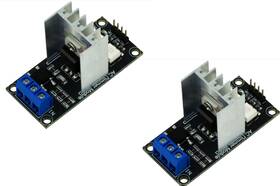
( Brand: Iot Dynrobot ), ( Manufacturer Part Number: 1CHDIMMERHEAT2PCS ), ( Part Type: Dimmer Light Module Controller Board ), ( UPC: 426959015927 )
Review IOT DYNROBOT Pwm Ac Programmable Light Dimmer 110v-220v Module Controller Board Ardu Inch
The **IoT DynRobot 426959015927 PWM AC Programmable Light Dimmer Module** is a versatile and high-performance controller board designed to seamlessly integrate with Arduino and other microcontroller platforms, enabling precise and dynamic control over AC-powered lighting systems. This advanced module operates within a universal voltage range of **110V to 220V**, making it compatible with global electrical standards, and is engineered to handle standard household or commercial lighting loads with reliability. At its core, the dimmer leverages **Pulse-Width Modulation (PWM)** technology, delivering smooth, flicker-free dimming effects that range from full brightness to complete darkness, with adjustable transitions to prevent abrupt changes that could stress light bulbs or fixtures. The board features a **programmable interface**, allowing users to fine-tune parameters such as dimming speed, intensity levels, and even implement custom lighting sequences via Arduino code, making it ideal for smart home automation, artistic lighting installations, or industrial applications requiring adjustable ambient lighting.
Equipped with a **compact yet robust design**, the module includes essential input/output connections such as a **PWM control pin** for Arduino compatibility, a **power input jack** for AC voltage, and a **neutral and live wire terminal block** for secure and flexible wiring. Safety is prioritized with built-in **overload protection** and **thermal management**, ensuring longevity and preventing damage from surges or prolonged high-load operation. Additionally, the module supports **remote control** via digital signals, enabling integration with relays, sensors, or other IoT devices for automated responses based on environmental conditions, motion detection, or voice commands. Whether used for creating ambient lighting effects, energy-efficient lighting control, or as part of a larger smart home ecosystem, this programmable dimmer module offers a blend of precision, adaptability, and ease of use, making it a standout choice for both hobbyists and professionals working with Arduino-based projects.
### **Pros and Cons of buying a IoT DynRobot 426959015927 PWM AC Programmable Light Dimmer (110V-220V) for Arduino**
#### **Pros:**1. **Wide Voltage Compatibility** Supports both 110V and 220V AC power, making it versatile for global use without needing multiple versions.
2. **PWM-Based Dimming** Uses Pulse Width Modulation for smooth, precise dimming control, reducing flickering compared to simpler on/off methods.
3. **Arduino Compatibility** Designed for easy integration with Arduino boards, allowing for custom automation via code (e.g., scheduling, remote control, or sensor-based adjustments).
4. **Programmable via Arduino** Enables advanced functionality like gradual dimming, color temperature adjustments (if paired with smart bulbs), or integration with IoT platforms (e.g., ESP8266/ESP32 for Wi-Fi control).
5. **Low Power Consumption in Off Mode** Unlike relay-based dimmers, PWM dimmers consume minimal power when fully off, improving energy efficiency.
6. **Safety Features** Includes overcurrent and short-circuit protection to prevent damage to the module or connected lights.
7. **Compact and Modular** Small form factor allows for easy installation in DIY projects or embedded systems.
8. **Cost-Effective for DIY Projects** Cheaper than commercial smart dimmers while offering programmable flexibility.
9. **Supports Multiple Load Types** Works with incandescent, halogen, and some LED bulbs (though LED compatibility may vary; check specifications for your specific bulbs).
10. **Open-Source Potential** Can be modified or hacked for experimental purposes, such as creating custom lighting effects or energy monitoring systems.
---
#### **Cons:**1. **Limited LED Compatibility** Many modern LEDs (especially LED strips or smart LEDs) require constant current drivers and may not work well with PWM dimming. Some LEDs may flicker or fail prematurely if not designed for PWM control.
2. **No Built-in Wi-Fi/Bluetooth** Requires additional hardware (e.g., ESP8266, NRF24L01) to add wireless control, adding complexity and cost.
3. **Manual Wiring Required** Unlike plug-and-play smart dimmers, this module needs soldering or breadboarding for Arduino integration, which may not suit beginners.
4. **No Physical Dimmer Knob** Control is entirely software-dependent; users must rely on Arduino scripts or external interfaces (e.g., remote, app) for adjustments.
5. **Potential for Noise in Audio Systems** PWM dimming can introduce high-frequency noise that may interfere with audio equipment (e.g., speakers, amplifiers) if not properly filtered.
6. **No Built-in Neutral Wire Detection** Some AC circuits require a neutral wire for proper operation; users must verify their wiring setup.
7. **No Overload Protection for Bulbs** While the module protects itself, it won t prevent overloading individual bulbs (e.g., connecting too many high-wattage bulbs at once).
8. **Learning Curve for Arduino Users** Requires basic knowledge of Arduino coding (e.g., PWM pins, timing functions) to implement advanced features.
9. **No Built-in Feedback** Unlike smart bulbs, there s no direct feedback on bulb status (e.g., whether the bulb is on/off or dimmed to a certain level).
10. **Potential for Heat Dissipation** Running at high dimming levels for extended periods may generate heat, requiring proper ventilation or heat sinks in some setups.
---
### **Conclusion:**The **IoT DynRobot PWM AC Dimmer** is an excellent choice for **Arduino enthusiasts, DIY automation projects, or hobbyists** who need **customizable, programmable light control** without relying on proprietary smart home systems. Its **voltage flexibility, PWM precision, and Arduino compatibility** make it ideal for projects where **manual or scripted dimming** is required. However, it is **not a plug-and-play solution** and requires **technical know-how** for setup and troubleshooting.
For **beginners or users seeking convenience**, commercial smart dimmers (e.g., Philips Hue, Lutron, or Kasa) may be more practical despite higher costs. For **advanced users**, this module offers **unmatched flexibility** at a fraction of the cost, especially when combined with other Arduino/IoT components (e.g., Wi-Fi modules, sensors).
---
### **Recommendation:** - **Buy if:**- You re comfortable with Arduino programming and DIY electronics.
- You need **custom dimming schedules, sensor-triggered lighting, or integration with other IoT devices**.
- You re working with **incandescent/halogen bulbs** or **PWM-compatible LEDs**.
- You want a **low-cost, modular solution** for experimental or educational projects.
- You plan to expand the project with **Wi-Fi/Bluetooth modules** (e.g., ESP8266) later.
- **Avoid if:**- You want a **plug-and-play, no-code solution** (e.g., voice control via Alexa/Google Home).
- You re using **non-PWM-compatible LEDs** (e.g., most standard LED bulbs or strips).
- You lack experience with **Arduino wiring, soldering, or basic coding**.
- Your project requires **industrial-grade reliability or professional installation**.
**Alternative Considerations:**- For **simple Arduino dimming**, pair this module with a **relay-based solution** if LED compatibility is a concern.
- For **smart home integration**, consider **Wi-Fi-enabled dimmers** (e.g., Shelly Dimmer) that work without Arduino.
- For **LED projects**, research **constant current drivers** or **DMX/PWM-compatible LED controllers** instead.
If you proceed, **test the module with your specific bulbs first** to ensure compatibility and adjust Arduino code accordingly.
Details:
Compatible Devices: ARDUINO, STM, ARM, AVR, Raspberry. This is why you can control multiple Dimmers from one micro controller. The lamp is slowly turning ON or OFF, creating a comfortable atmosphere. SAMPLE: please see images.
CPU model: AMD A Series. Video Processor: arm. In most cases, Dimmer is used to turning the power ON/OFF for lamps or heating elements, it can also be in fans,pumps, air cleaners, e.t.c. PWM AC Programmable Light Dimmer 110V-220V Module Controller Board for Arduino, STM, ARM, AVR Raspberry Pi Compatible 50/60Hz with Heat Sink 3.3V/5V Logic: Brand: IOT DynRobot.
Video Output: HDMI. Can control AC/DC motor, electric pump, tools. Manufacturer: Electronic Nuts. Connectivity Technology: USB.
Included Components: Heat Sink. Operating System: DOS. Processor Brand: ARM. Dimmer works most effectively with filament lamps.
Human-Interface Input: Buttons. Note that luminescent lamps gas discharge lamps do not support dimming. Hardware Interface: USB. In Arduino, a dimmer is controlled with Rubidium.h library, which uses external interrupts and process time interrupts.
Built-In Media: Heat Sink. Dimmer is connected to Arduino controllers via two digital pins. Lately, Dimmer has become an oft ed decision for smart home systems. Its less stable with low brightness damnable LED lamps, but moderate and high brightness it will perform a solid job.
First Zero to control the passing of Phase Null AC,which is used initiate interrupt signal. A power of the dimmer is isolated from control part, to exclude possibility high current disruption to a micro controller. Cooling Method: Air. CPU Speed: 1 Hz.
Graphics Card Interface: Integrated. Video Output Interface: HDMI. Note that Zero requires connection to pins which are different depending on the model of Uni, Nano,Leonardo, Mega, since it tied micro controller interrupts. Personal Computer Design Type: Bare bone.
Specific Uses For Product: Home Automation, School Projects, Work-Related Controlling AC/DC Motors, Electric Pumps, and Tools. Cache Size: 1 MB. Model Name: ChDimmerHeat2pcs. Name: Minimalist.
You can download Rubidium.library and a few examples in Documents or on GitHub. Display Type: LED. AC Phase Control Circuit Dimming Circuit / Home Automation, School Projects, Work Related Projects. Second DIM/PSM to control dim current.
Compatible with any ARDUINO, RASPBERRY boards. Processor Series: AMD A Series. It simplifies the code writing and gives more processing time for main. The zero crossing is directly derived from the rectified mains AC lines.
specifications powercablego:
- brand: Iot Dynrobot
- mpn: 1chdimmerheat2pcs
- part type: Dimmer Light Module Controller Board
- upc: 426959015927
returns powercablego:
- method: Money back
- policy: Returns Accepted
- time: 30 Days
- paid by: Seller
payments powercablego:
- credit card: Visa
- other
- wallet: Apple-pay
offer powercablego:
- availability: In Stock
- started: April 15, 2026
- sold: 0
- options: Ship-to-home
- quantity: 2
seller powercablego:
- # reviews: 1104
- city: San Bernardino, CA
- rating: 99.8%
general powercablego:
- Consumer Electronics > Multipurpose Batteries Power > Power Cables Connectors
- condition: New
shipping powercablego:
- class: Standard
- type: Fixed
- transit: 4-9 Days
- service: Standard
- cost: $0.00